


The theme: CANT Z 506 B 
It has been a while since my friend Pier Paolo and I started building two models of the CANT Z 506 B "Airone" as a couple and it is time to start sharing the progress made so far, even if the works have proceeded with a certain slowness. However now we can meet more often and we intend to proceed more quickly.
I will not dwell here on the characteristics of this seaplane in itself already well known to fans of Italian aircraft in general and of Regia Aeronautica aircraft in particular. Furthermore, already extensively re-produced by numerous modellers. Eventually we will make a brief historical report at the end of the construction. For now let's be content to say that this seaplane produced by the Cantieri Riuniti dell'Adriatico (C.R.D.A.) Cantiere Navale Triestino (CANT), Officine Aeronautiche Monfalcone (later also built by Piaggio) on a project by Eng. Zappata was one of the most successful aircraft of the time as evidenced by the many records achieved and the long operational life both in civil and military and rescue use. Let's just add that perhaps the novelty from the modeling point of view is precisely this "reproduction in pairs", since we find ourselves as soon as possible to work together.
The assembly kits
Regarding the kits in our possession we can say that they are two kits in 1/72 scale, different but both a little dated, therefore each with its own strengths and weaknesses. My friend Pier had been in possession of a Supermodel kit for a long time and I had already bought a kit from Italeri a few years ago, more recent, but not too much (probably the same molds), albeit with some improvements and with photo-etchings for the dashboard and other interior details. The options chosen for the realization are: an almost "box" (Italeri) with the livery of the 287 ^ Sq. R.M. based in Sardinia; the other is that of the seaplane used by the test driver Mario Stoppani for the achievement of some records with the civil registration number I-LAMA (of which we will print the decals ourselves). The final idea is to create a double connectable base at the end of the work, depicting a seaplane base on which to place the two models for display.


The development
The first job to be tackled was to lengthen the wingspan by about five millimeters on each side since, as the modelers well know, the two kits have this defect. At the same time, we have emphasized the prominence of the aileron and rudder framing. We then tackled the construction of the boots by making some detailed improvements such as the five accessibility hatches to the watertight bulkheads. Afterwards we dedicated ourselves to the reproduction of the interiors, in particular the cockpit.


As I said previously, improvements have been made to the Italeri kit and it is supplied with parts for the detailed construction of the pilots and radio operator cabin that are missing in the dated Supermodel kit. So we made a self-rebuilt of interiors using drawings, available photos and the other kit as references. In the meantime, we prepare the engines, which have been purchased separately, with further detail and coloring, adding the valve rods to the individual cylinders and the connecting ring of the exhaust manifold in the cowlings.

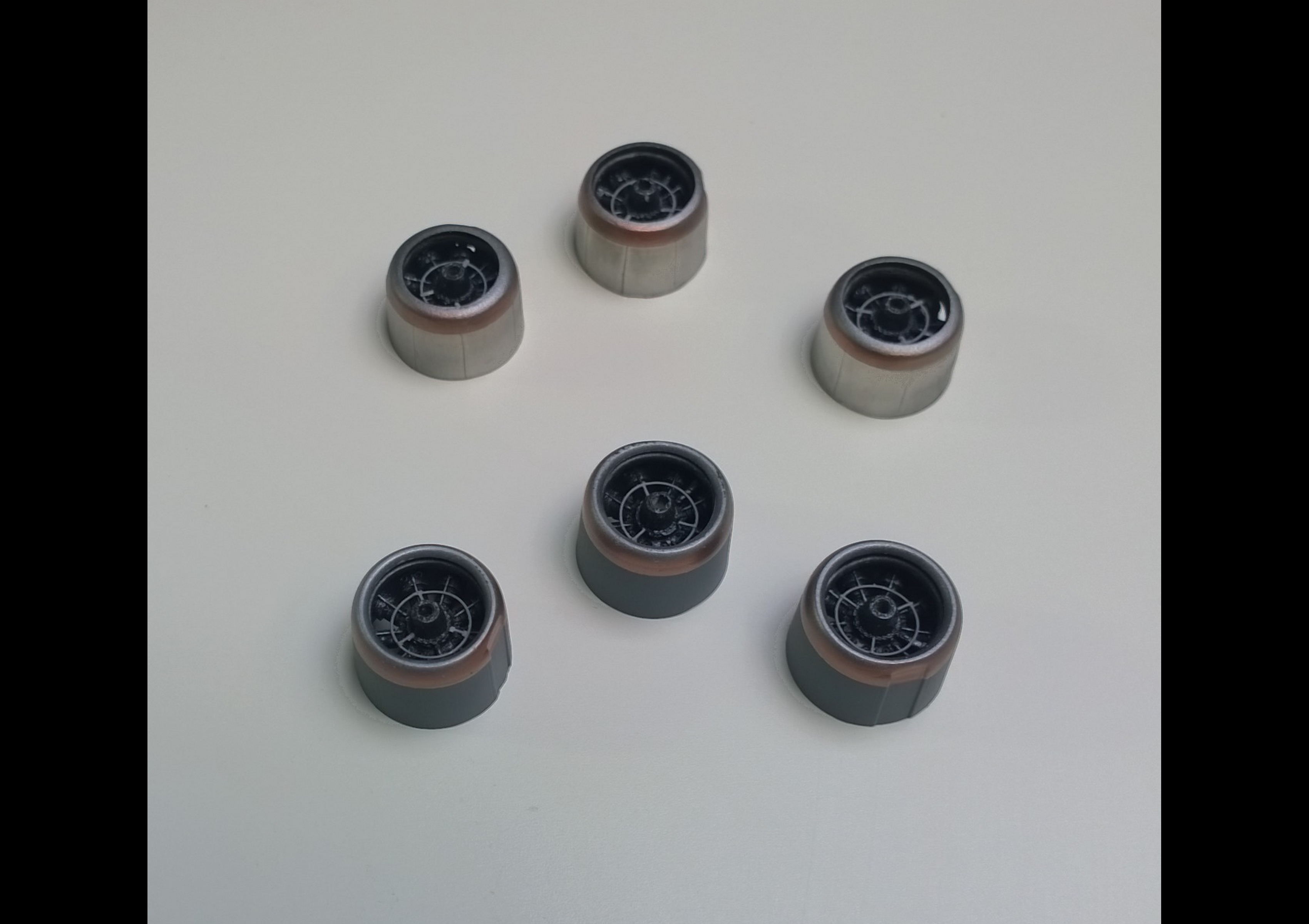


Proceeding with assemblage:


... and some details: DETAILS
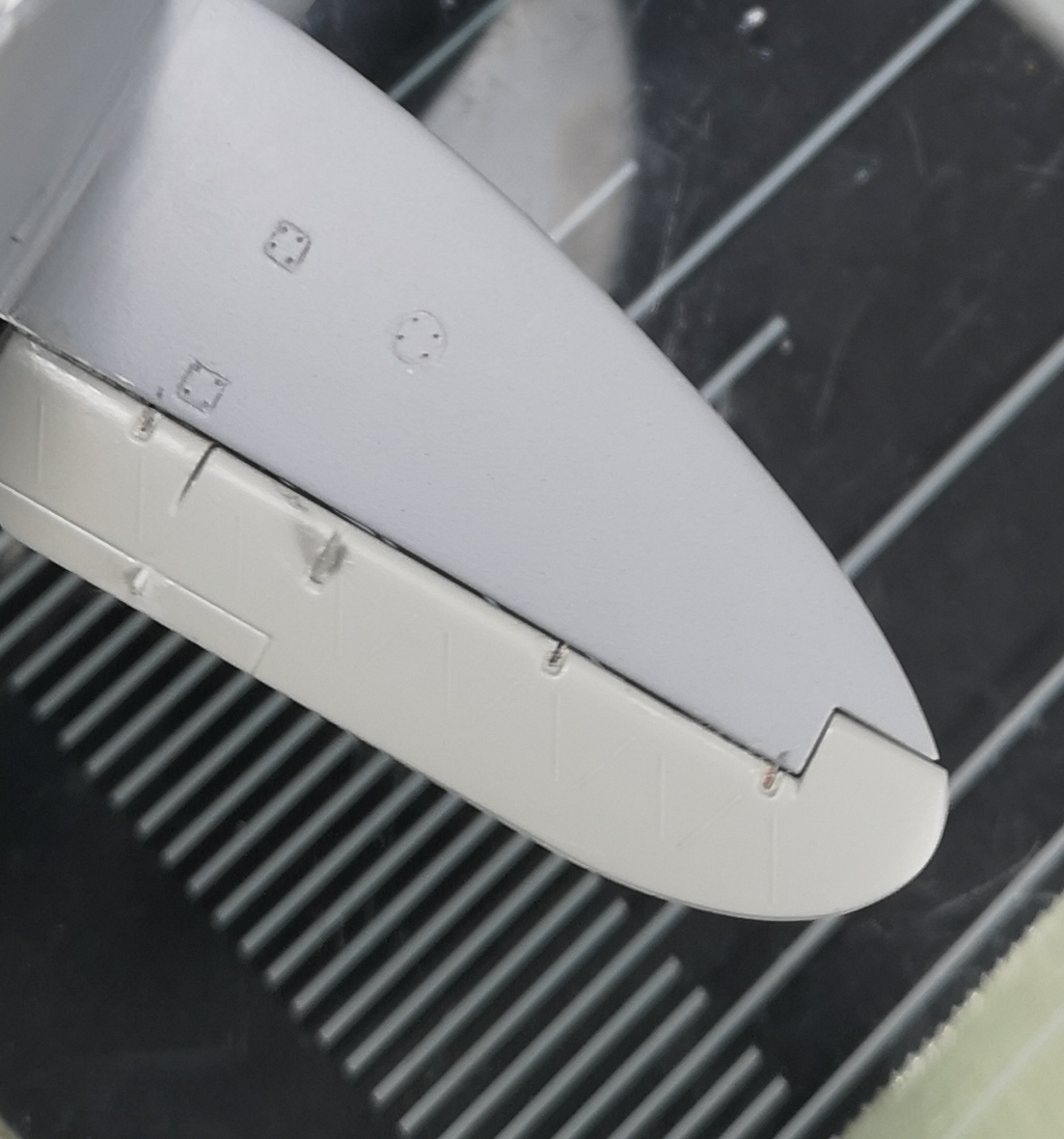


mooring cleat and others details:


engines completed and ready for assembly at the end of the coloring:

